Implementing a PIM system: service partner or in-house team?

Implementing a PIM system: service partner or in-house team

Implementing a PIM system: what determines success

Digital transformation has become increasingly important for many companies in recent years, especially brick-and-mortar retailers that have had to offset lost revenue through digital channels (marketplaces, online shops, e-catalogs, apps, etc.). Demand for Product Information Management (PIM) software has also risen rapidly as a result. The aim of PIM is to manage high-quality product data centrally for all output channels.

PIM enables companies to supply their digital channels automatically and in real time. This transformation allows companies to take full advantage of global digitalization and deliver their product content efficiently and directly to customers, partners and employees.

The challenge: simply installing a PIM solution is not enough. A PIM system needs to meet the company’s requirements and make work easier. This calls for careful planning and design before implementation begins. The system must then be used correctly to deliver tangible business results.

Service partners can support companies with implementation to help achieve this. Some even offer to handle the entire PIM software implementation as a full-service project. However, this level of service is not essential. You and your team can also manage the implementation yourselves. The right implementation approach for you and your company depends entirely on your specific preferences and capabilities.

How the implementation models differ

Support from a service partner

If you choose a full-service project, your service partner or software vendor handles the entire installation and transition to the new software environment for you.

This service saves internal resources and gives you access to PIM system experts whose years of experience provide in-depth knowledge of the system. Naturally, such a comprehensive service comes at a price, which generally makes a full-service project the most expensive model.

The most important consideration in your decision is this: you are handing over project leadership to an external provider. You may end up entrusting the project to a company with only a superficial understanding of your products and the associated processes. Limited scope to intervene creates various challenges and risks in a full-service project. If the service partner introduces new processes and workflows for you and your employees, your team may be less receptive to these changes than if they came from a colleague they already know. When ideas come from a team member, the team may be more open to them and look forward to the new working environment.

In addition, you and your team will lack knowledge of the adjustments and changes made to the PIM system. This leaves you tied to the implementation partner even after the project is complete and limits your independence.

Advantages and disadvantages at a glance:
+ Saves internal resources
+ You work with PIM system experts
+ Service partners have project experience and can apply their knowledge to new situations
– The service is expensive
– Implementation partners lack detailed knowledge of your company, processes and ways of working
– Limited scope to intervene
– Dependence on the implementation partner, even after go-live

Running a PIM project with your own team

If you implement PIM software in-house, you and your team make all the decisions, enabling every department to gain the knowledge it needs about your PIM solution.

This expertise is essential during implementation, particularly knowledge of product management and technical data requirements. Your marketing department has experience with your products, your online shop and how to market them. However, one department plays a particularly important role in implementation: IT. Its knowledge of your current software environment provides the foundation for building interfaces to other systems. You will also need someone to lead the implementation project and take responsibility for it.

Most problems arise right at the start of implementation, as many crucial decisions need to be made early in the project. Without experts experienced in this area, mistakes and uncertainty can quickly arise, costing time, resources and motivation.

Advantages and disadvantages at a glance:
+ You know your company and your products
+ You gain expert knowledge of the PIM system
+ You make all decisions and define the changes
+ Your team is highly receptive to organizational changes
+ All employees work together
– Limited experience with PIM systems
– Uncertainty when making crucial decisions


The best of both worlds: the hybrid model

The best approach for a successful PIM implementation that meets your expectations is a combination of both models. Bringing together the strengths of each implementation model creates the hybrid model.

If you choose this middle ground, your team works alongside external specialists throughout the project. This approach lets you have a say in decisions and gradually learn how to use the system for your business model. At the same time, you benefit from the specialists’ experience, as well as professional advice and support. Sharing the workload also helps protect your budget. Experience has shown that the hybrid approach runs particularly smoothly, combining the service partners’ expertise with your company’s internal, industry-specific knowledge.

Advantages and disadvantages at a glance:
+ Access to specialists’ experience
+ You become experts in your own system
+ You make the decisions
+ Greater acceptance and better understanding among your own employees
+ Valuable internal knowledge of your products and workflows
+ The entire company gains important expertise
+ Collaboration between PIM experts and your own team
+ Greater independence from service partners after the project ends
+ Helps keep the project within budget
– The team depends on your commitment as project manager

Conclusion

Collaboration between your team and service partners ensures steady progress and small wins that keep your employees motivated. Choosing the hybrid model puts your PIM implementation on a secure footing, delivers results you can be satisfied with and helps prevent crises and uncertainty.

At PIM Consultants, we support you before, during and after the project as an independent partner, sharing our expertise and helping you get the most out of your product information.

You can find more useful information on PIM implementation here. We would also be happy to discuss your project in a free, no-obligation initial consultation. Please get in touch.

Implementing a PIM system does not have to mean choosing between a service partner and your own team. For most projects, a hybrid model works best: responsibility for the data model, processes and decisions stays in-house, while external specialists contribute their expertise in solution design, data migration and go-live. This builds internal knowledge that remains after go-live and helps avoid common early mistakes.

More on this topic: PIM implementation · PIM implementation & costs · PIM consulting

Share this post

More PIM insights

News & Blog

Any questions?

We are happy to advise you.

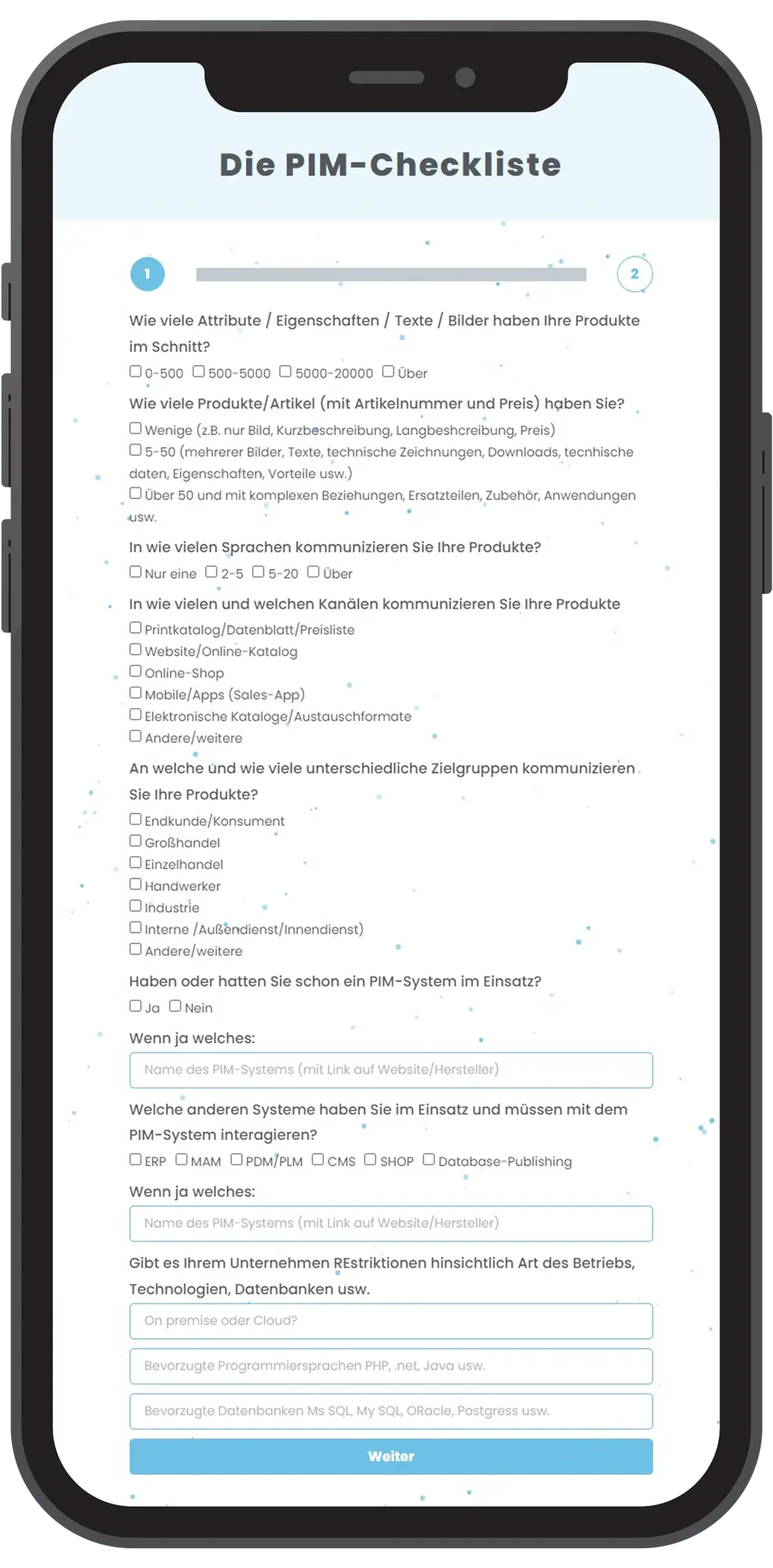
Wait! Have you seen our PIM checklist?

Find out in 3 minutes whether a PIM system could benefit your business and which PIM systems could be right for you!

Webdesign: Deutsche Stadtmarketing