Data Governance: Why a PIM System Fails Without Clear Rules

Data Governance in PIM

Data Governance: Why a PIM System Fails Without Clear Rules

Many companies implement a PIM system to bring order to their product data. Six months later, the new system often looks just like the old Excel spreadsheets. The software is rarely to blame. What is missing is data governance: rules defining who maintains which data, what quality standards it must meet and how a product moves from its first data record to publication.

Without these rules, a PIM system ends up holding the same incomplete and inconsistent data as before, just in one central location. The success of a PIM implementation therefore depends less on system selection than on who takes responsibility for data within the company.

What Data Governance in PIM Involves

Roles and responsibilities. Data governance defines who is authorised to do what. Typical roles include data stewards for specific areas such as marketing copy, technical data or images, and a data owner with overall responsibility. This makes it clear who creates data, who approves it and who can change it.

Processes and approvals. How does a new product move from the ERP system into PIM and from there to a marketplace? What checks are needed first? A PIM system can map these processes as workflows, for example enrichment, technical review, marketing approval and publication. But you can only automate what you have already defined.

Quality rules. What does not go in cannot come out. Rules such as “every product must have at least three images” or “product names must not exceed 80 characters” are configured in the PIM system. The system then checks them whenever a change is made.

Illustration of data governance in a PIM project

How to Introduce Data Governance in Your PIM Project

Build a cross-functional team. Data governance is not an IT issue. Product management, marketing, e-commerce, IT and, where relevant, compliance should define the rules together so they are followed in day-to-day work.

Define a complete product record. Specify what a finished product record looks like: which fields are mandatory, which units to use and which images to include. This data model provides the foundation for configuring the PIM system.

Start with one process. Begin with the most important process, usually new product creation. Once this workflow is running in the PIM system, no product with incomplete data goes live, and everyone can see the impact.

“Through 2027, 80% of data and analytics governance initiatives will fail due to a lack of a real or manufactured crisis.”

Conclusion

A PIM project is always a data governance project too. Implementing the software is the technical part. Clear rules and responsibilities are what determine success. Address both together from the outset, and you will create a reliable source of data for your online shop, marketplaces and catalogues.

Would you like to establish the right governance framework for your PIM system? Get in touch.

Related topics: Workflows in PIM · Product Data Quality · Supplier Onboarding

About the Author

Matthias Kant is Managing Director of Digitize! GmbH, the company behind PIM-Consultants. Previously, he worked in marketing for the independent aftermarket at Continental and as a project manager and partner at the Droege Group and KMC Marketing Consultants. Today, he provides independent advice to manufacturers and retailers on PIM selection and implementation. More about the team

Share this post

More PIM Insights

News & Blog

Any questions?

We’re happy to advise you.

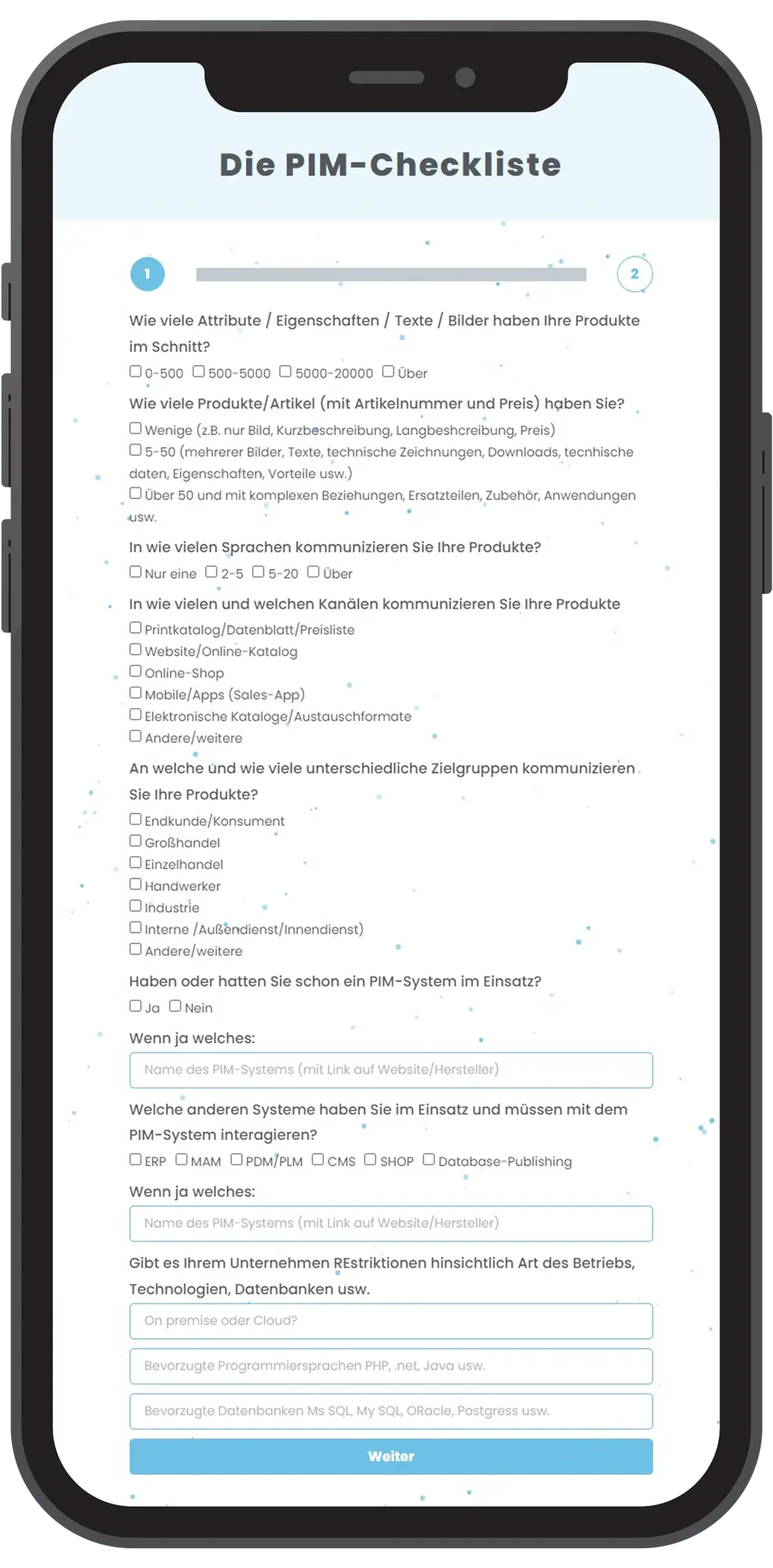
Wait! Have you seen our PIM checklist?

Find out in 3 minutes whether a PIM system could benefit your business and which PIM systems could be right for you!

Webdesign: Deutsche Stadtmarketing