Supplier Onboarding: How PIM Stops Data Chaos at the Source

Supplier Onboarding: Product Data Sheets in PIM

Supplier Onboarding: How PIM Stops Data Chaos at the Source

The new seasonal stock is in the warehouse, but it cannot go online because the product data is missing. Or it arrived by email in five different Excel formats, along with PDFs and an image download link that has already expired. Many retailers and buyers know the situation.

This back-and-forth between procurement and suppliers takes up valuable time, delays product launches and creates errors that are laborious to correct later. Supplier onboarding with a PIM tackles the problem earlier: Suppliers enter their own data through a supplier portal, in the format you specify.

How a Supplier Portal Changes Onboarding

Instead of having your team manually transcribe supplier data, a PIM with onboarding capabilities reverses the process.

Suppliers submit their own data. Each supplier receives access to a restricted portal where they upload their product data. They follow your requirements, not the other way around.

Validation starts at upload. The portal checks the data immediately. If a required field is missing or an image is too small, the record is rejected and the supplier can see what needs correcting. Incomplete data never enters the PIM in the first place.

A consistent format. Whether uploaded as a CSV file or entered manually, data always reaches the PIM in the same format. Field mapping is configured once and runs automatically from then on.

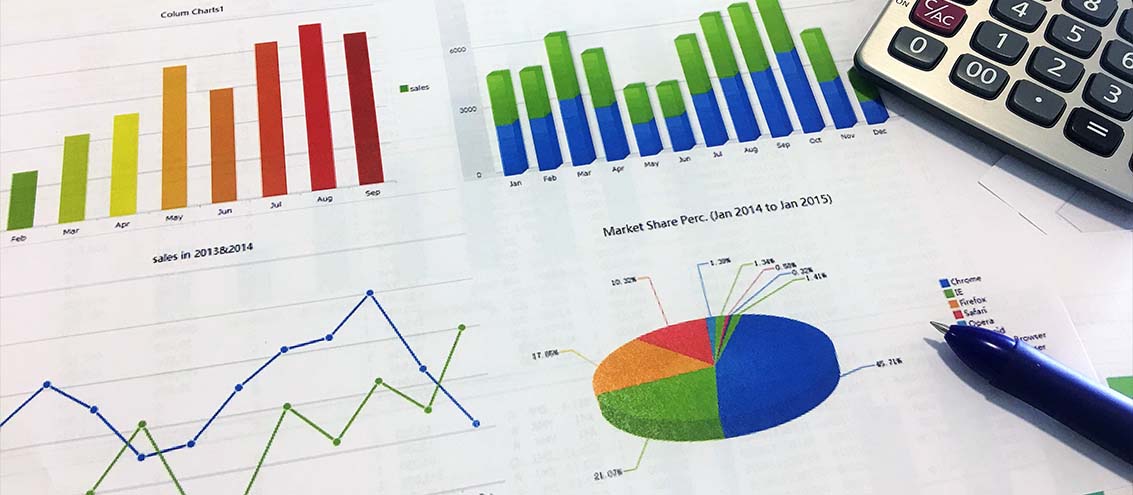
Graphic illustrating data analysis in supplier onboarding

In Practice: Three Steps to Automated Supplier Onboarding

Define quality criteria. Specify the conditions for accepting a data record, such as an EAN, a description of at least 100 characters and an image with the background removed. Only then will the portal allow the import.

Automate feedback. Instead of exchanging emails, the system gives suppliers an overview of which products have been approved and where improvements are needed.

Reward good data. PIM reporting shows which suppliers deliver complete data on time. Their products go online sooner. That is a strong point to raise at the next annual supplier review.

“Poor data quality costs companies an average of US$12.9 million per year.”

Conclusion

The first mile of the data supply chain is often the hardest. Relying on emails and manual work at this stage slows down your entire online business. Supplier onboarding with a PIM moves data capture to where the product knowledge resides: the manufacturer. Your own team reviews data rather than retyping it, and new product ranges are ready for sale much sooner.

Want to simplify data collection from suppliers? Get in touch.

Related reading: prodexa with a supplier portal · PIM in B2B · Data Governance in PIM

About the Author

Matthias Kant is Managing Director of Digitize! GmbH, the company behind PIM-Consultants. Previously, he worked in marketing for the Independent Aftermarket at Continental and as a project manager and partner at the Droege Group and KMC Marketing Consultants. Today, he provides manufacturers and retailers with vendor-neutral guidance on PIM selection and implementation. More about the team

Share this post

More PIM Insights

News & Blog

Any questions?

We are happy to advise you.

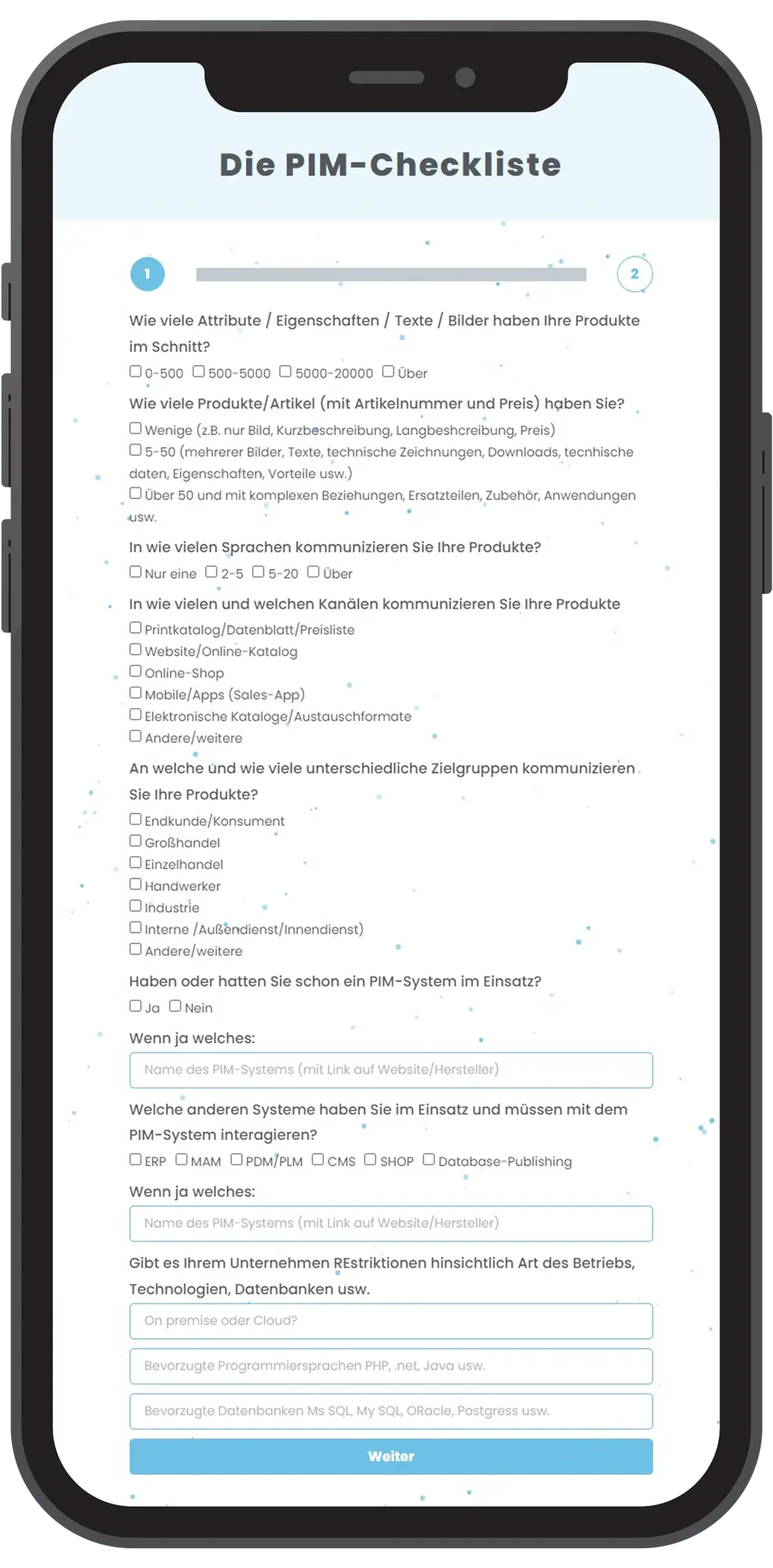
Wait! Have you seen our PIM checklist?

Find out in 3 minutes whether a PIM system could benefit your business and which PIM systems could be right for you!

Webdesign: Deutsche Stadtmarketing